

The Winter and Summer Olympics—standing as the two premier events in the global sporting world—are both integral components of the Olympic Movement, yet they exhibit distinct differences across numerous aspects. From their timing, competitive events, and participant numbers to their overall influence, each possesses its own unique characteristics, collectively weaving the rich and vibrant tapestry of the Olympic Movement.

Timing
- Summer Olympics: Held during the summer season, typically scheduled for periods with warm climates conducive to outdoor sports, thereby ensuring the smooth execution of the majority of events.
- Winter Olympics: Held during the winter season, requiring specific ice and snow conditions; these games are typically hosted in the Northern Hemisphere during January or February, or in the Southern Hemisphere during June or July, with the exact timing varying based on geographical location.
- Core Difference: The season in which the games are held directly dictates the environmental requirements for the events: the Summer Olympics rely on warm climates, while the Winter Olympics depend on low temperatures, ice, and snow.
Competitive Events
Winter Olympics:
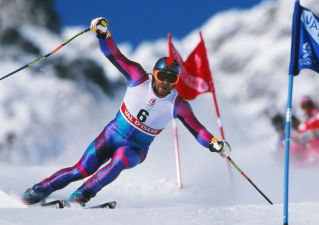
Comprise exclusively ice-based or snow-based sports, including skiing (e.g., alpine skiing, cross-country skiing), skating (e.g., speed skating, figure skating), bobsleighing, ice hockey, curling, and others.
Event Characteristics:
These sports are contingent upon ice and snow venues and impose specific requirements regarding equipment and technique (e.g., skis, ice skates).
Summer Olympics:
Encompass the 26 major sports disciplines officially recognized by the International Olympic Committee, including track and field (running, long jump), swimming, shooting, team ball sports (basketball, volleyball, soccer), weightlifting, and others.
Event Characteristics:
Primarily consist of land-based or water-based sports, featuring relatively broader and more flexible requirements regarding climate and venue conditions.
Core Difference:
The events in the Winter Olympics are concentrated within the realm of ice and snow sports, whereas the Summer Olympics cover a much wider spectrum of athletic disciplines and are larger in scale (the Summer Olympics typically feature over 300 individual events, compared to approximately 100 in the Winter Olympics).
Significance and Prominence
Summer Olympics:
Possess a longer history (the inaugural games were held in 1896), garner higher levels of global attention, and involve a greater number of participating nations and regions (typically exceeding 200).
Hold higher commercial value, with levels of corporate sponsorship investment and media coverage that far surpass those of the Winter Olympics.
Winter Olympics:
Have a more recent origin (the inaugural games were held in 1924) and, due to the more specialized nature and global reach of ice and snow sports, involve a smaller number of participating nations and regions (approximately 90). While historically of relatively lower significance, the Winter Olympics has seen its influence steadily rise in recent years alongside the growth of winter sports (for instance, the 2022 Beijing Winter Olympics attracted participants from 91 countries and regions worldwide).
Core Distinction:
The Summer Olympics holds a dominant position due to its history, scale, and commercial appeal; the Winter Olympics, while slightly less prominent due to its specialized nature and seasonal constraints, possesses unique value within specific domains (such as winter sports).
Additional Distinctions
Scale of Participation:
The Summer Olympics typically features over 10,000 athletes, whereas the Winter Olympics involves approximately 3,000.
Venue Requirements:
The Winter Olympics necessitates the construction of specialized venues for ice and snow sports (e.g., ski resorts, curling rinks), whereas the Summer Olympics requires a more diverse array of venue types (e.g., athletics stadiums, swimming pools).
Cultural Symbolism:
The Summer Olympics, guided by the motto "Faster, Higher, Stronger," emphasizes the limits of human physical prowess; the Winter Olympics integrates ice and snow culture, highlighting the fusion of technical skill and artistic expression (e.g., figure skating, freestyle skiing).
Conclusion
Looking ahead, driven by the flourishing global sports landscape and the increasing importance nations place on winter sports, the Winter and Summer Olympics will continue to advance side by side, jointly propelling the development of the Olympic Movement. With advancements in technology and the deepening integration of environmental conservation principles, future Winter Olympics are poised to achieve even greater innovation and breakthroughs in areas such as event organization, venue construction, and environmental protection. Simultaneously, as winter sports gain wider popularity and global interest in winter athletic events continues to rise, the influence of the Winter Olympics is expected to expand further, serving as a vital platform for connecting the world and fostering friendship. The Summer Olympics, for its part, will continue to uphold its core values of diversity and inclusivity, delivering a wealth of thrilling competitions and unforgettable moments to athletes and spectators worldwide. Complementing and enriching one another, these two events together continue to write the illustrious chapters of the Olympic Movement.